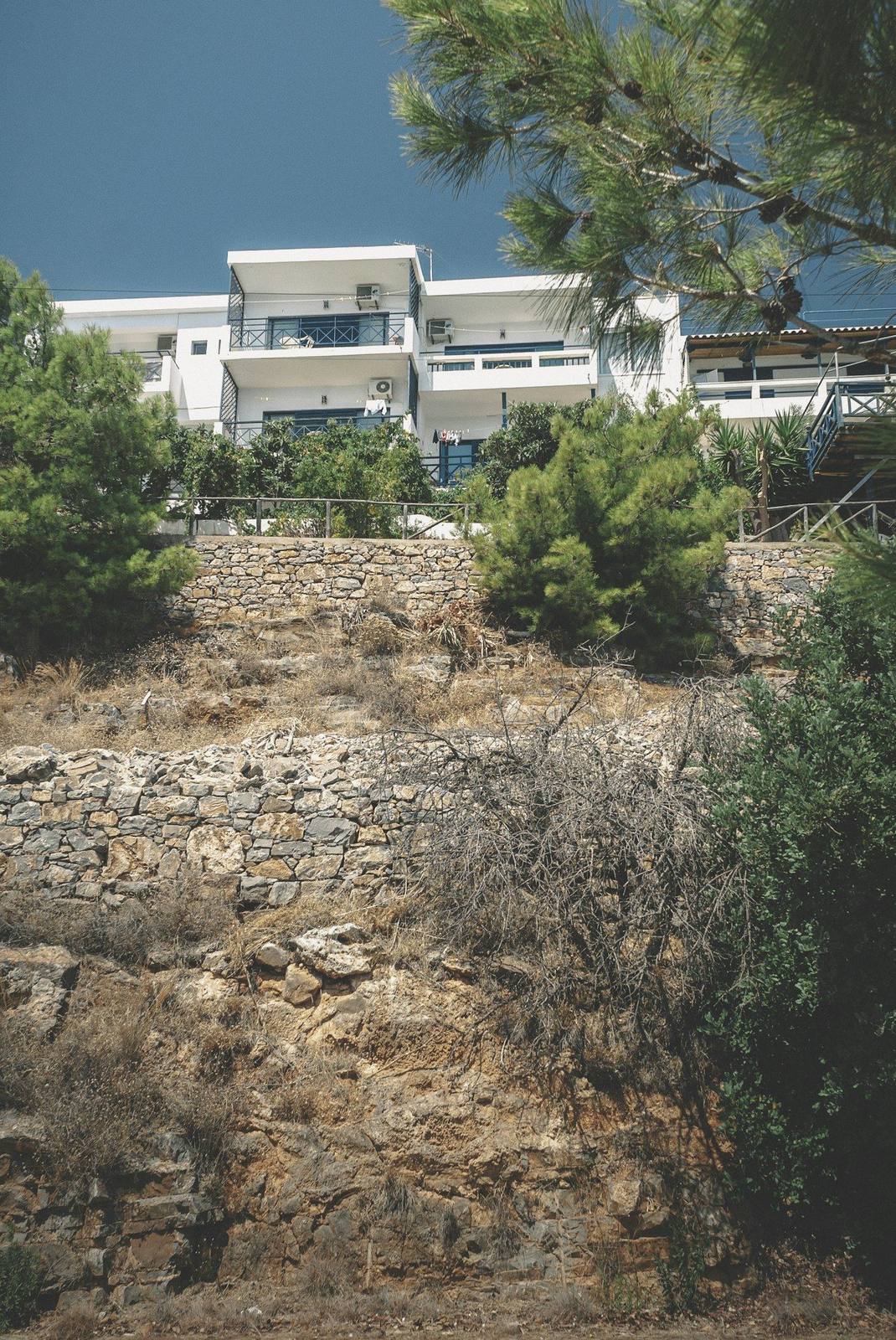
We get some version of “how much does a retaining wall cost?” on almost every call, and the honest answer is: it depends on more than most homeowners expect. Material is usually the smallest lever. These are the factors that actually move the number.
Wall height — and what it triggers
Cost doesn't scale in a straight line with height. In many Florida jurisdictions, walls above a certain height (often 3–4 feet, depending on the county and application) require an engineered design and a permit, which adds both time and cost. A wall that's a few inches under that threshold can be meaningfully cheaper than one that's a few inches over it, independent of material.
Site access
Can equipment get to the work area, or does everything have to be moved by hand or wheelbarrow through a gate or narrow side yard? Limited access adds labor hours fast, especially for excavation and moving block, stone, or gravel backfill. Waterfront and heavily landscaped lots are the most common places we see this add real cost.
Soil conditions
Sandy soil, common across the Treasure Coast, is generally easier to excavate than clay but can require more careful base compaction and, depending on wall height, additional geogrid reinforcement to keep the wall stable. Existing fill, old construction debris, or a high water table found during excavation can also change the plan — and the price — once the ground is actually opened up.
Drainage scope
A wall with a full drainage system — gravel backfill, perforated pipe, filter fabric, and a real outlet — costs more than a wall without one. It should. This is also the single most common thing we see skipped on lower-bid quotes, and the most common reason we get called out to fix someone else's wall a year or two later.
Wall material
This is the one everyone asks about first, and it matters, but usually less than the four factors above:
- Segmental block is the most common and typically the most budget-friendly option for standard residential walls.
- Natural stone or boulder walls cost more in material and labor but are often chosen for waterfront or higher-end properties for the look.
- Timber is the lowest upfront cost but has the shortest lifespan in Florida's climate and isn't recommended for anything load-bearing or above a modest height.
Permitting and engineering
Taller walls, walls near property lines, and walls supporting a structure (like a pool deck or driveway) often require a permit and a stamped engineering plan. This is a real cost, but it's also what keeps a wall from becoming a liability — and what protects you if a neighbor's property is ever affected by drainage or grading.
The bottom line
Two walls that look nearly identical from the street can be priced very differently once height, access, soil, and drainage scope are factored in. The only way to get an accurate number is a real site visit — which is why we don't quote sight-unseen over the phone.
Want an actual number, not a range?
We'll walk your property, measure the real conditions, and give you a written estimate — usually within 1–2 business days of the visit.